
Local business operations rely on complex technology heavier today than at any point in history. Whether you manage a busy logistics hub, a healthcare clinic, or a growing financial firm, your daily workflow depends on a seamless connection between your software, hardware, and network infrastructure.
Unfortunately, many business owners are discovering that their current IT setup is leaving them dangerously vulnerable. When a server goes down or a network switch fails, waiting on hold for a remote technician creates a severe operational bottleneck.
While remote helpdesks offer basic convenience, protecting a business from costly downtime requires the physical presence and proactive strategy of a local managed service provider.
Key Takeaways
- Remote-only IT support creates operational bottlenecks when dealing with complex hardware failures and physical network outages.
- Unplanned downtime and data breaches carry severe financial consequences that can permanently damage a small business.
- Proactive cybersecurity and compliance management require a hands-on, integrated approach rather than reactive troubleshooting.
- Partnering with a local managed IT provider ensures rapid on-site response and tailored strategies that actively prevent issues before they occur.
The Limitations of Remote-Only IT Support
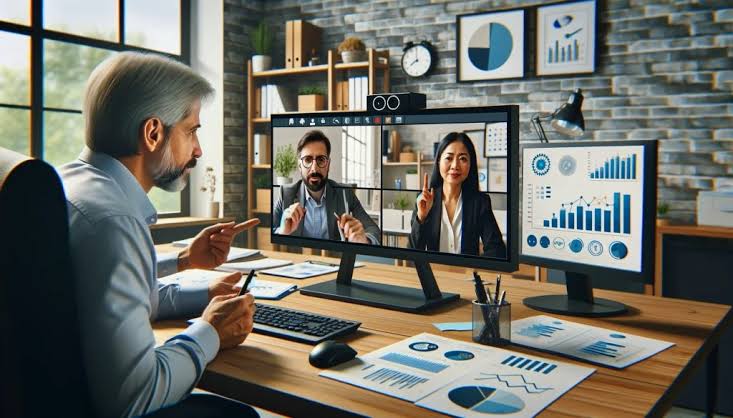
Remote-only IT support operates on a fundamentally reactive model. You submit a ticket, wait in a queue, and hope the technician on the other end can talk you through a solution over the phone. This delayed response time is one of the most significant hidden costs of remote support.
While remote helpdesks are great for resetting passwords or updating basic software, they fall short when dealing with physical infrastructure. A remote technician cannot replace a dead hard drive, fix a broken data cable, or troubleshoot a localized power surge. When these issues happen, a lack of physical infrastructure oversight leaves your team completely paralyzed.
For companies in the Lowcountry, partnering with a provider that offers comprehensive managed IT services in North Charleston ensures that when a critical issue strikes, a local technician is already on the way.
Contrast this with the frustrating reality of remote-only support. Waiting in a ticket queue while your staff cannot access their workstations drains productivity and damages client trust. An integrated local partner eliminates this waiting game by combining continuous remote monitoring with rapid on-site action.
IT Downtime for Small Businesses
When your network goes dark, the financial bleeding starts immediately. Every minute your team spends unable to access customer data, process transactions, or communicate with vendors translates to lost revenue. For a local operation, absorbing that kind of financial hit is incredibly difficult.
What causes these expensive outages? In a recent study, 84% of firms cite security issues as their number one cause of downtime, followed closely by inadequate hardware and outdated software. These specific vulnerabilities highlight exactly why remote monitoring alone is insufficient.
Security gaps and failing physical hardware require hands-on management. They demand proactive hardware life-cycle planning and physical patching that an out-of-state helpdesk simply cannot provide. The long-term impact of ignoring these needs is severe, with many small businesses forced to close their doors permanently within six months of suffering a major cyberattack.
3 Scenarios Where On-Site, Hands-On IT Support is Non-Negotiable
To understand the gap between remote and local IT services, it helps to look at real-world operational scenarios. Some situations require a physical presence to accurately diagnose and resolve the issue.
| IT Support Scenario | Remote Helpdesk Capability | Local On-Site IT Capability |
|---|---|---|
| Server Hardware Failure | Can identify that the server is offline. | Can physically inspect, repair, and replace damaged components. |
| New Office Cabling | Can configure software settings remotely. | Can run physical data drops, install switches, and mount access points. |
| Compliance Audits | Can review digital access logs and software settings. | Can inspect physical server room security and device placement. |
Complex Hardware Failures & Network Outages
Hardware is physical, and physical things break. When a core piece of your infrastructure fails, remote software troubleshooting becomes entirely useless.
Consider a scenario where a localized power surge destroys a network switch or a core server hard drive fails. A remote technician can only tell you that the device is unresponsive. A local IT partner, however, will dispatch a technician to physically diagnose the equipment, replace the dead components, and restore your network directly.
Communications & Data Cabling
Modern office environments rely heavily on interconnected physical hardware. Setting up VoIP phone systems, installing security cameras, and configuring physical access control systems all require hands-on work.
You need a professional to physically run new data cables through drop ceilings and walls to ensure reliable connections. A local managed IT provider handles this physical infrastructure support, ensuring your hardware is cleanly installed and properly integrated into your broader network.
Physical Device Inspection for Compliance
Regulatory compliance is not just about digital passwords and encrypted emails. Frameworks like HIPAA for healthcare or PCI for retail also mandate strict physical security controls.
Meeting these compliance standards often requires physical audits of your server rooms and employee workstations. A local IT provider can walk your office floor to ensure servers are locked away, screens displaying sensitive data face away from public view, and physical data privacy protocols are actively followed.
Why Cybersecurity Requires a Localized Approach
Small businesses are prime targets for cybercriminals. Attackers know that local operators often lack the enterprise-grade defenses of larger corporations, making them easier marks for extortion. Stopping these attacks requires much more than reactive remote troubleshooting after a breach has already happened.
True proactive cybersecurity involves continuous monitoring, localized risk reduction, and everyday threat hunting. A local IT provider understands your specific business environment and the physical workflow of your office. This intimate knowledge allows them to implement tailored compliance services that actually make sense for your day-to-day operations.
Robust data protection and disaster recovery planning must be an integrated component of your daily operations. A localized approach means your IT partner is actively backing up data, securing physical access points, and training your specific staff on security best practices, rather than treating cybersecurity as an afterthought.
What to Demand from a North Charleston Managed IT Provider
Evaluating a potential local IT partner requires looking beyond basic pricing tiers. You need a partner who functions as an extension of your own team. Here is an actionable checklist of what to demand from a managed IT provider in the North Charleston area.
- Demand a Proactive Service Model: Your provider must use continuous monitoring and automated patch management to identify and fix vulnerabilities before they cause network downtime. Reactive “break-fix” models are no longer acceptable.
- Look for Tailored Solutions: Avoid rigid, cookie-cutter IT packages. A true partner will customize their IT strategies around your unique business workflows, industry software, and specific compliance needs.
- Insist on Localized Presence: Ensure the provider has technicians actively operating in the North Charleston area. You need a guarantee that they can quickly dispatch personnel to your location for hands-on, emergency troubleshooting.
- Evaluate Co-Managed IT Capabilities: If you already have an internal IT manager, your provider should offer co-managed services. This allows them to support your existing team during busy periods, employee vacations, or complex system upgrades without stepping on toes.
Conclusion
Relying on slow, remote-only IT support leaves your business highly vulnerable to expensive downtime, compliance failures, and crippling cyberattacks. The modern business landscape moves too fast to wait in a support ticket queue while your physical hardware sits broken.
Protecting a growing local business requires the fast, hands-on intervention and proactive strategies that only a local managed service provider can deliver. From running physical network cables to actively defending your servers from ransomware, an integrated local partner covers the blind spots that remote helpdesks miss.
Now is the time to evaluate your current IT setup. Ultimately, investing in localized managed IT is an investment in business continuity and lasting peace of mind.