
Eco-tourism projects often need transportation solutions that balance visitor experience, environmental considerations, and daily operation needs. Resorts, parks, and scenic attractions usually require vehicles for short-distance passenger movement, internal transportation, and service support. Before purchasing, businesses should evaluate suppliers based on vehicle suitability, customization ability, production capacity, and long-term cooperation support.
Choosing a suitable supplier is not only about selecting a vehicle model. Project conditions, operating environments, and maintenance plans also influence the final decision. A careful evaluation process helps tourism operators and distributors find suitable solutions for different applications.
Identify Transportation Needs Before Selecting a Supplier
The first step in choosing a supplier is understanding the actual transportation requirements of the project. Eco-tourism locations may have different layouts, including flat paths, outdoor areas, visitor centers, and accommodation zones. These factors influence the required seating capacity, driving range, and vehicle structure.
For example, a large resort may need vehicles for guest transfers, while a scenic area may focus on passenger circulation between different attractions. Buyers should review passenger numbers, daily operation frequency, and route conditions before communicating with an electric golf carts manufacturer.
The usage environment also affects configuration decisions. Outdoor transportation may require weather protection features, suitable battery options, and stable driving performance. Clear project information allows suppliers to recommend vehicles that match practical needs instead of focusing only on basic product appearance.
Evaluate Vehicle Performance for Different Eco-Tourism Environments
Vehicle performance is an important factor when comparing suppliers. Buyers should review details such as motor power, speed, climbing ability, battery type, and charging requirements. These specifications influence how vehicles perform during daily operations, especially in outdoor locations with changing terrain.
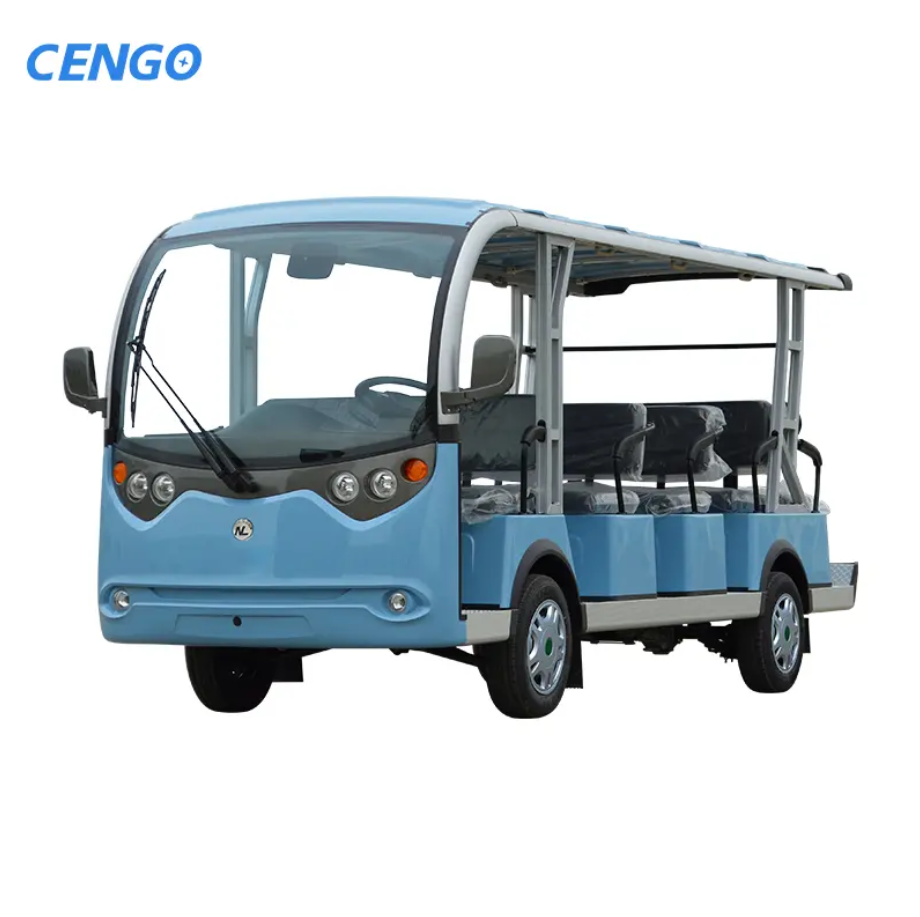
The NL-S14.C is one example of a vehicle designed for passenger transportation scenarios. It provides four seats, a maximum speed of 15.5mph, 20% grade ability, and 6.67hp power output. The model supports both lead acid battery and lithium battery options, allowing users to choose based on operation plans.
The vehicle is equipped with a 48V KDS Motor, which provides stable power when driving uphill. It also features a two-section folding front windshield that can be opened or folded according to different weather conditions. The storage compartment design adds space for personal items and daily operation needs.
When reviewing electric golf cart manufacturers, businesses should consider whether suppliers can provide accurate specifications and suitable configurations for different environments. A detailed product evaluation helps reduce problems during later operation.
Review Customization and Production Capabilities
Eco-tourism projects often have different requirements for vehicle appearance and functions. Hotels, resorts, and distributors may need customized colors, logos, seating arrangements, or other product details to match their business operations.
CENGO provides electric vehicles including golf carts, sightseeing vehicles, functional vehicles, and UTVs for commercial applications. They offer OEM services to support different customization requirements, helping partners adjust vehicle designs according to specific market needs.
For businesses selecting an electric golf carts manufacturer, production capability is also an important consideration. Suppliers need to understand order quantities, delivery expectations, and application conditions. This communication process helps buyers evaluate whether a manufacturer can support their project requirements.
A supplier with flexible production experience can provide more suitable cooperation options for distributors and commercial users. This is especially useful for projects that require multiple vehicles with consistent specifications.
Compare Supplier Experience and Project Support
Beyond product features, buyers should review the support provided throughout the cooperation process. Eco-tourism operators often need assistance with product selection, configuration discussions, delivery arrangements, and future maintenance.
A supplier’s experience in different application environments can help customers understand possible solutions. For example, vehicles used in resorts may focus on passenger comfort, while vehicles in larger attractions may require more frequent operation and easier maintenance planning.
When comparing electric golf cart manufacturers, businesses can review communication efficiency, spare parts support, and service arrangements. These factors influence the long-term management of vehicle fleets and help operators prepare for future needs.
Consider Long-Term Operation and Ownership Requirements
The purchase decision should also include future operating considerations. Battery maintenance, charging management, replacement parts, and daily inspections can affect the overall use experience. Businesses should discuss these points with suppliers before completing a project plan.
A practical supplier relationship includes clear product information and continuous communication. Understanding maintenance requirements allows operators to create better schedules and reduce unexpected interruptions during busy tourism periods.
CENGO focuses on providing electric mobility products for commercial applications and supports customers with customized vehicle solutions. They serve different industries that require golf carts and related vehicles for transportation needs.
Choosing a Suitable Partner for Eco-Tourism Mobility
Selecting an electric vehicle supplier requires a complete review of project needs, product performance, customization options, and service support. Eco-tourism businesses can make clearer decisions by comparing suppliers through practical factors instead of only focusing on initial purchase costs.
A suitable partner should understand commercial transportation requirements and provide vehicles that fit different operating environments. With experience in electric vehicle development and customized solutions, CENGO provides golf carts and related products for global business customers.