
Industrial plant managers evaluating burner retrofits frequently face a critical choice between traditional mechanical linkages and modern electronic ratio control architectures. Selecting the wrong control methodology leads to chronic fuel waste, poor emission profiles, and excessive maintenance overhead during heavy production cycles.
Operational demands require weighing initial capital expenditure against long-term fuel savings and stoichiometric accuracy. Plant engineers must analyze how each technology handles mechanical wear, modulation precision, and load transitions before committing capital.
Industrial facilities striving for maximum thermal efficiency must look past legacy limitations to embrace intelligent automation solutions that guarantee consistent operational performance.
Core Architectural Differences in Air-Fuel Control Systems
Traditional combustion setups rely on physical cams, levers, and metal rods to synchronize fuel valve movement with air damper positioning. Mechanical synchronization forces a fixed mechanical relationship across the entire operational range, regardless of shifting ambient air densities or fuel viscosity variations.
Operating under these rigid physical constraints often prevents boilers from achieving optimal combustion efficiency during partial load transitions. Electronic ratio control replaces these physical tie-rods with dedicated, independent stepper motors controlled by microprocessor-based management systems.
Separate actuators adjust air and fuel streams individually, eliminating physical backlash and enabling complex characterization curves tailored to specific thermal profiles. Microprocessors continuously monitor external temperature and pressure variables to recalculate optimal air-fuel ratios before combustion instability occurs.
This independent actuation eliminates the rigidity of mechanical bars, allowing fine adjustments that maximize fuel burnout under varying firing loads.
Mitigating Mechanical Hysteresis and Linkage Wear
Physical joints in linkage-driven systems experience constant vibration and thermal expansion, leading to gradual mechanical play known as hysteresis. Hysteresis causes a mismatch between intended and actual damper positions, resulting in hidden fuel penalties and elevated carbon monoxide emissions over time.
Technicians must perform frequent manual recalibrations to compensate for pin wear and rod slippage during routine plant maintenance turnarounds. Digital modulation bypasses these physical failure points entirely by utilizing closed-loop feedback to maintain absolute positioning accuracy throughout continuous operations.
Component degradation in traditional setups often accelerates unexpectedly when boilers operate near maximum capacity for extended periods. Eliminating moving physical parts reduces unexpected maintenance demands, protecting facility profit margins from recurrent repair expenses.
Maintenance personnel spend countless hours inspecting linkage assemblies, tightening loose set screws, and replacing worn ball joints on mechanical cams. Transitioning to servo-driven electronic valves removes these recurring maintenance bottlenecks entirely, freeing technical teams to focus on core plant productivity.
Precision Modulation and Turndown Performance Comparison
High turndown ratios demand absolute control over extremely small fuel and air volumes during low-load idling phases. Mechanical linkages struggle at low firing rates because physical cam geometry loses resolution near the closed position, causing unstable flames or burner lockouts.
Advanced digital controllers execute multi-point characterization curves, granting precise air-fuel ratio adjustments down to single-digit percentage flow rates. Operating a high efficiency oil burner equipped with electronic ratio control ensures smooth, repeatable modulation without risking flame extinguishment during sudden load swings.
Achieving exceptional turndown prevents unnecessary cycling, protecting ignition electrodes and refractory linings from thermal shock damage. Modern facilities rely on this high-precision modulation to match steam generation curves precisely against fluctuating facility demands.
Engineers designing heavy-duty heating networks appreciate how tight fuel metering prevents excess oxygen dilution in the exhaust stream. Precise air-fuel management directly translates into higher heat transfer efficiency across convective boiler passes.
Application Suitability in High-Demand Thermal Destruction Units
Demanding industrial environments require exceptionally robust thermal stability to handle volatile waste streams or corrosive operating atmospheres safely. Thermal processing units such as a specialized medical waste incinerator demand strict combustion chamber temperature retention to destroy pathogens completely while meeting environmental limits.
Managing a modern medical waste incinerator requires rapid response times to counteract sudden heating value fluctuations in volatile waste feeds instantly. Legacy mechanical systems often react too slowly to these rapid energy shifts, causing transient smoke spikes and regulatory compliance failures.
Thermal oxidizers and specialized destruction vessels operate under intense scrutiny, making precise air-fuel control a mandatory compliance requirement. Digital servo systems provide the exact combustion environment needed to neutralize hazardous elements efficiently without triggering environmental violations.
Stringent emission regulations governing waste disposal require continuous compliance monitoring backed by flawless combustion hardware performance. Equipping thermal destructors with electronic actuators ensures the stable chamber temperatures necessary to satisfy local environmental protection mandates.
Making the Optimal Sourcing Decision for Modern Industrial Operations
Investing in thermal equipment requires balancing upfront hardware costs against lifecycle energy savings and regulatory risk mitigation over decades of service. Facilities transitioning away from legacy mechanical setups frequently partner with engineering pioneers like Career Burner to design bespoke digital control packages.
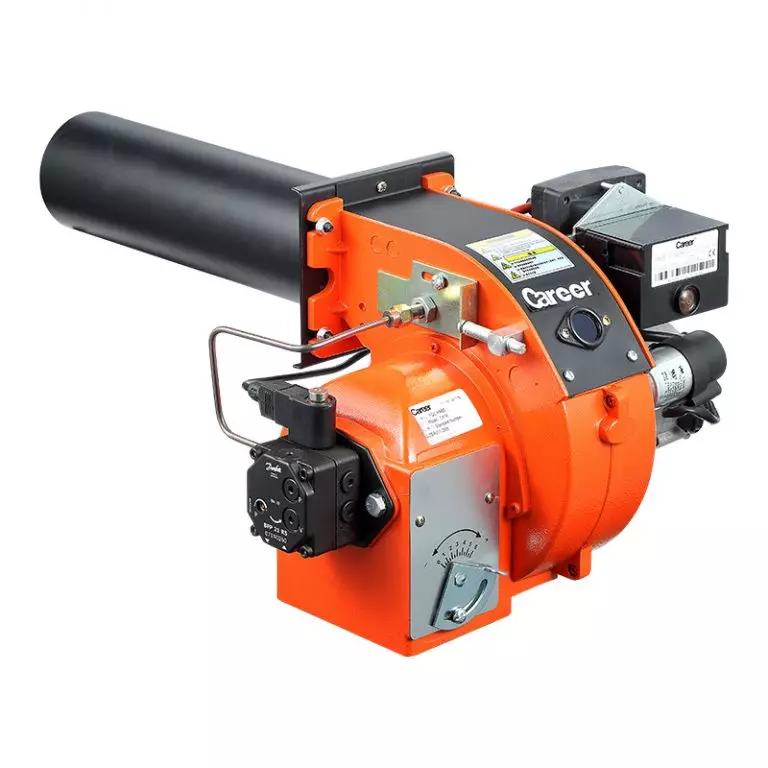
Advanced thermal solutions, such as the energy-saving light oil fuel oil burner 140,000 kcal CX14, demonstrate the immense value of electronic ratio management. Selecting a reliable high efficiency oil burner powered by microprocessor controls ultimately future-proofs industrial operations against rising fuel costs and tightening legislation.
Global manufacturing enterprises like Career Burner supply state-of-the-art combustion hardware engineered for maximum thermal efficiency and low emissions. Integrating modern automation packages allows facility directors to optimize utility profiles while supporting broader corporate decarbonization initiatives.
Long-Term Benefits of Electronic Ratio Control
Long-term profitability in heavy manufacturing depends directly on minimizing energy waste across every thermal asset in the plant inventory. Upgrading combustion control architecture represents one of the most effective pathways toward achieving sustained operational excellence.
Evaluating thermal control technologies ultimately reveals a clear operational advantage favoring electronic ratio management over legacy mechanical linkages. Modern manufacturing facilities achieve superior fuel economy and rock-solid safety compliance by abandoning physical cams for digital precision. Engineering insights shared by Career Burner confirm that digital servo modulation delivers unmatched reliability across heavy industrial heating applications.