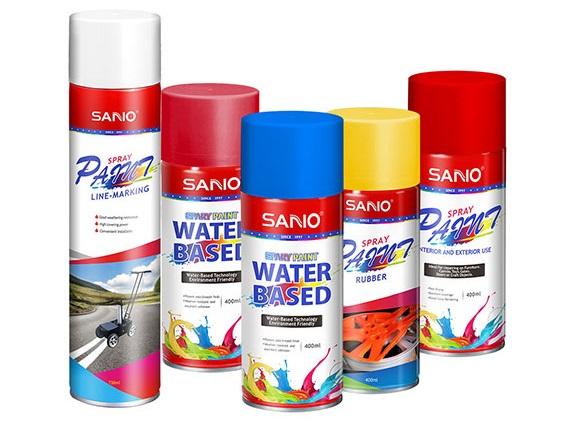
When applying a coating to rubber surfaces, drying and curing time are important factors to consider. Although the coating may become dry to the touch within a short period, sufficient time should be allowed for the coating film to dry and cure fully before the coated component is returned to service.
For automotive parts, industrial components, and repair projects, understanding the difference between surface drying and complete curing helps prevent premature handling, surface damage, and coating failure.
A quality spray paint for rubber is designed to form a durable protective layer while maintaining flexibility on moving surfaces. However, the final performance depends not only on the coating formula but also on application conditions, substrate preparation, and curing environment.
Drying Time vs. Curing Time: What Is the Difference?
Many users confuse drying with curing when working with rubber coatings. Drying refers to the stage when the surface becomes touch-resistant and no longer feels wet. Curing describes the longer process during which the coating film reaches its intended hardness, adhesion, and durability.
According to SANVO product information, rubber spray paint can achieve surface drying in approximately 10 minutes under suitable conditions, while full drying can be reached in about 60 minutes.
However, even after the coating feels dry, allowing additional time before exposing the surface to heavy use, moisture, or chemicals helps the film achieve better overall performance. The final strength of the coating depends on how completely the coating components stabilize after application.
For flexible rubber parts, patience during the curing stage is especially important because the coating must maintain both adhesion and elasticity.
Factors That Influence Rubber Spray Paint Curing Speed
Although product formulation determines the basic drying characteristics, several external conditions can significantly affect how quickly a coating develops its final properties.
Temperature and Humidity
Temperature plays an important role in solvent evaporation and film formation. Moderate temperatures allow the coating to dry evenly, while colder environments can slow down evaporation and extend curing time.
High humidity may also delay drying because moisture in the surrounding air affects how quickly solvents escape from the coating layer. Applying rubber coatings in stable environmental conditions helps achieve a smoother and more consistent finish.
Coating Thickness
The amount of material applied during each spraying cycle directly affects drying speed. Heavy applications contain more solvents that need additional time to escape, which can leave the surface soft or tacky.
Applying controlled layers allows each section of the coating to stabilize more effectively. This approach helps the final film maintain the flexibility required for rubber surfaces.
Rubber Surface Condition
Different rubber materials can influence curing performance. Old rubber parts may contain accumulated oils, protective treatments, or surface residues that interfere with coating bonding.
A properly prepared surface allows the coating to form a stronger connection with the substrate, improving long-term durability after curing.
When Can Painted Rubber Parts Be Used?
The appropriate waiting period depends on the application environment and the level of stress the component will experience.
For decorative projects, light handling may be possible after the coating reaches surface dryness. However, rubber parts exposed to repeated movement, friction, outdoor conditions, or mechanical pressure should receive additional curing time before returning to service.
Automotive components such as rubber trim and seals experience constant vibration, temperature changes, and physical contact. Industrial rubber parts may face even greater demands from equipment operation, moisture, and chemical exposure.
Allowing the coating to fully stabilize before regular use helps prevent issues such as surface marks, premature wear, or reduced flexibility.
Common Reasons Rubber Coatings Take Longer to Cure
When a rubber coating remains sticky or soft longer than expected, the issue is usually related to application conditions rather than the coating itself.
One common cause is applying excessive material in a single session. Thick layers slow solvent release and may prevent the inner coating from drying properly.
Another factor is insufficient surface preparation. Contaminants such as oils or silicone-based products can interfere with film formation and create uneven drying behavior.
Poor ventilation can also extend drying time because limited airflow slows down solvent evaporation. A clean, well-ventilated working environment supports more consistent curing results.
How Curing Affects Coating Performance
The curing process determines more than just when a painted surface can be touched. It also affects how well the coating performs during long-term use.
A fully developed coating film provides better resistance against daily wear, environmental exposure, and repeated movement. This is particularly important for flexible rubber applications where the surface must bend without losing adhesion.
Using a suitable spray paint for rubber and allowing enough curing time creates a stronger balance between appearance and protection. Whether used for automotive restoration, industrial maintenance, or general repair work, proper curing practices contribute significantly to coating reliability.
Final Thoughts on Rubber Spray Paint Cure Time
The time required for rubber spray paint to fully dry depends on several conditions, including temperature, humidity, coating thickness, and surface quality. Under suitable application conditions, SANVO rubber spray paint can achieve surface drying in around 10 minutes and full drying in approximately 60 minutes.
Dry to the touch doesn’t mean ready for service—that’s the critical distinction between quick drying and complete curing. Users who understand this difference plan projects more effectively and avoid coating problems down the line. For flexible rubber components, selecting a coating designed for demanding surfaces—and giving it enough time to develop its full properties—is what separates durable, long-lasting results from premature failure.