
Watching powder enter a machine raises a direct question: which subsequent manufacturing steps are actually being demonstrated? Technical buyers need to know which operations can be watched, which signals can be inspected, and which answers depend on conditions absent from the display. A useful demonstration therefore produces more than an impression: it gives each technical question an answer that can be reviewed.
Identify the Operation Behind the Display
Observation begins with a specific operation. Powder spreading, material delivery and process monitoring present different subjects for a demonstration, even when all contribute to one finished part. A 3D printing technology showcase becomes easier to interpret when the observer separates a running operation from an explanatory animation and from a component manufactured earlier under unspecified conditions.
For a running machine, the useful question concerns the relationship between an action and its output. A moving mechanism demonstrates motion; a monitoring display presents a measured or processed signal. Neither automatically explains the finished part’s dimensional accuracy. The buyer can ask what the signal represents, how it relates to the operation, and what remains outside the displayed measurement.
Discussions with 3D printing manufacturers gain precision when the requested observation is named before the machine is introduced. A request to see a material delivery step differs from a request to inspect a monitoring record. Matching the question to that observable prevents a static component, a live screen and a specification sheet from becoming interchangeable forms of evidence.
Attach Every Parameter to Its Conditions
A build rate describes material volume produced per unit of time under particular operating conditions. Laser configuration, feedstock and layer thickness help define that statement. Questions at a 3D printing technology showcase can capture those conditions before comparison begins. An answer from 3D printing manufacturers becomes more useful when it distinguishes the selected setup from other available configurations.
Configuration differences require more than a model name. In the 2026 TCT Asia lineup, Farsoon FS350M systems had a 425 × 350 × 400 mm build volume, four or six lasers and a 6 m² machine footprint. Optional beam shaping and bidirectional powder spreading added further distinctions. Each feature gives the buyer a specific configuration question rather than a general request for speed.
Farsoon FS1311M-U had a 1,310 × 1,310 × 1,650 mm envelope, but its stated maximum 1,440 cm³/h rate applied to Ti-6Al-4V at a 150 µm layer thickness with the optional beam-shaping module. The material, layer thickness and module belong beside the rate in any comparison. Later comparisons must preserve these configurations as they appeared at Shanghai’s exhibition held on 17–19 March 2026.
Separate a Sample Preview from Machine Operation
A printed object can demonstrate that a particular geometry was produced. Its display alone leaves the production conditions, postprocessing state and inspection method unresolved. At a 3D printing technology showcase, identifying whether the exhibit is a sample preview or an operating machine changes the next question. Technical buyers can ask 3D printing manufacturers which part of the manufacturing sequence is actually observable.
Eplus3D EP-M3050 was previewed through printed parts, including a 2.8 m 316L stainless-steel casing, rather than an on-site machine. That casing supported a discussion of a large printed geometry; it did not make the printing sequence visible. The stated 1,500–3,500 cm³/h build-rate range was attached to a 100-laser configuration, which remained essential context for any question about its production rate.
Physical dimensions also describe different objects. RongSu Laser Mini used wire-fed laser additive manufacturing in a 550 × 520 × 820 mm machine, with a 150 × 150 × 170 mm printing envelope. The larger dimensions described the equipment body, while the smaller set described printable space. A buyer discussing a component needs the latter dimensions and the component’s orientation, not merely the machine’s overall size.
Turn an Unseen Step into a Precise Question
An unresolved observation can guide the next exchange without becoming a negative judgement about the equipment. If a monitoring screen is visible, a question can request the corresponding operating condition and explain which part of the process the record covers. If only a sample is available, 3D printing manufacturers can be asked for the configuration and manufacturing sequence associated with that exact sample.
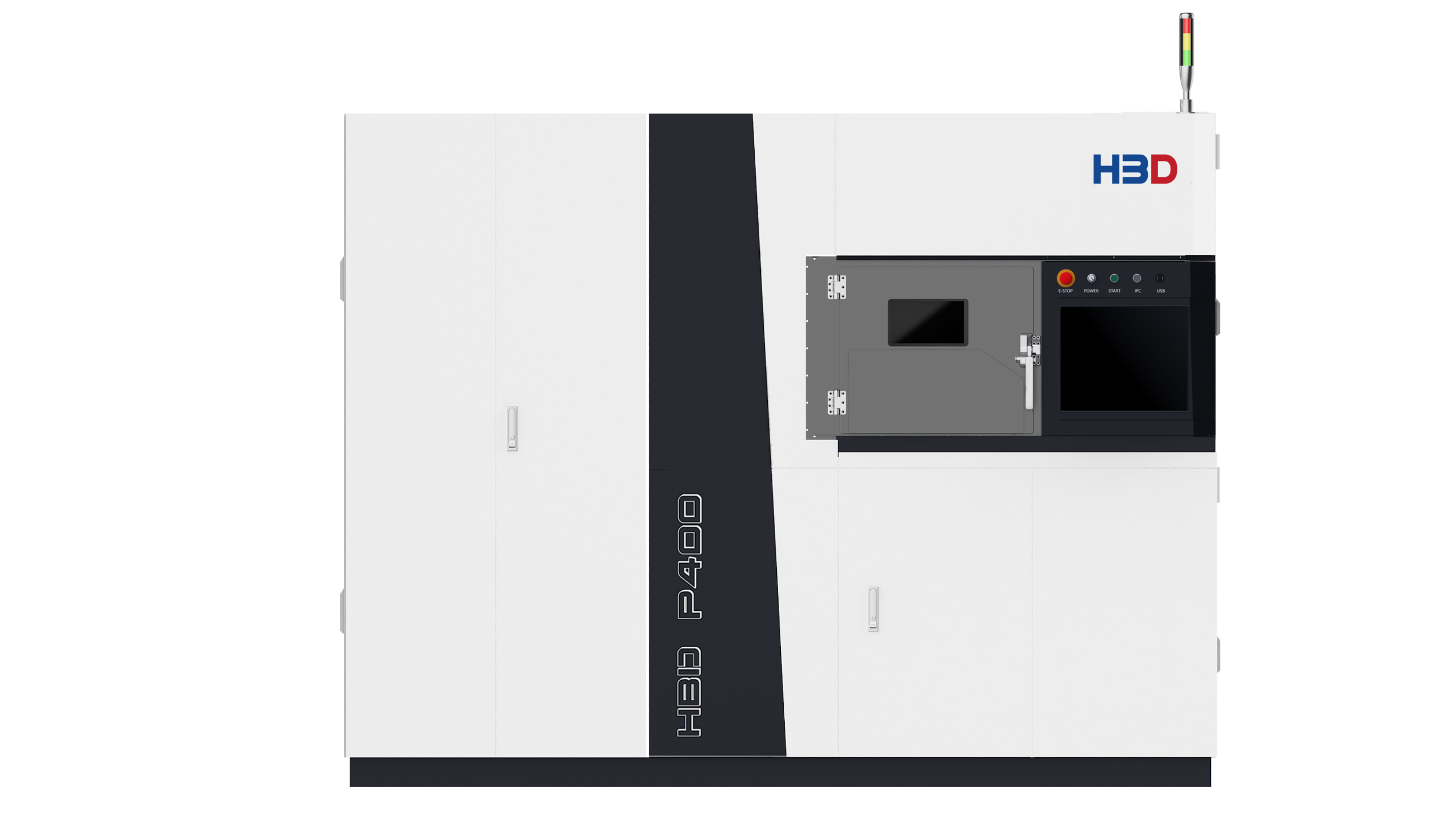
HBD P400 combined six lasers with Guangchi II beam shaping and could switch between fine and annular spots according to part geometry. During a 3D printing technology showcase, that distinction supports a question about the geometry that prompted a particular spot selection. A record connecting the selected mode to the relevant operation would explain more than the availability of both modes alone.
The same questioning method applies to technical exchanges around TCT Shenzhen’s 14–16 October 2026 schedule. An observer can identify the proposed operation, establish its conditions and request the missing record. Recording the sample identity also keeps later answers attached to that object. A practical observation note separates what was visible, what was explained and what still requires a specific demonstration.
Demonstrations at TCT Asia gain value from answers tied to identifiable operations and stated conditions. A technical buyer can leave with a clear distinction between the observed action, the supporting record and the question still open. That distinction keeps subsequent comparison attached to the actual exhibit. Which recorded material, layer thickness and machine configuration produced the sample under discussion?