
Removing an unwanted tattoo requires more than simply choosing a treatment option. Professionals evaluating tattoo removal cases must consider factors such as tattoo characteristics, skin condition, ink composition, and individual expectations. As demand grows for advanced aesthetic procedures, understanding what makes an ideal candidate for a tattoo removal laser treatment helps clinics provide safer and more effective solutions. Technologies such as Q-switched Nd:YAG lasers have become important tools for addressing complex tattoo removal needs.
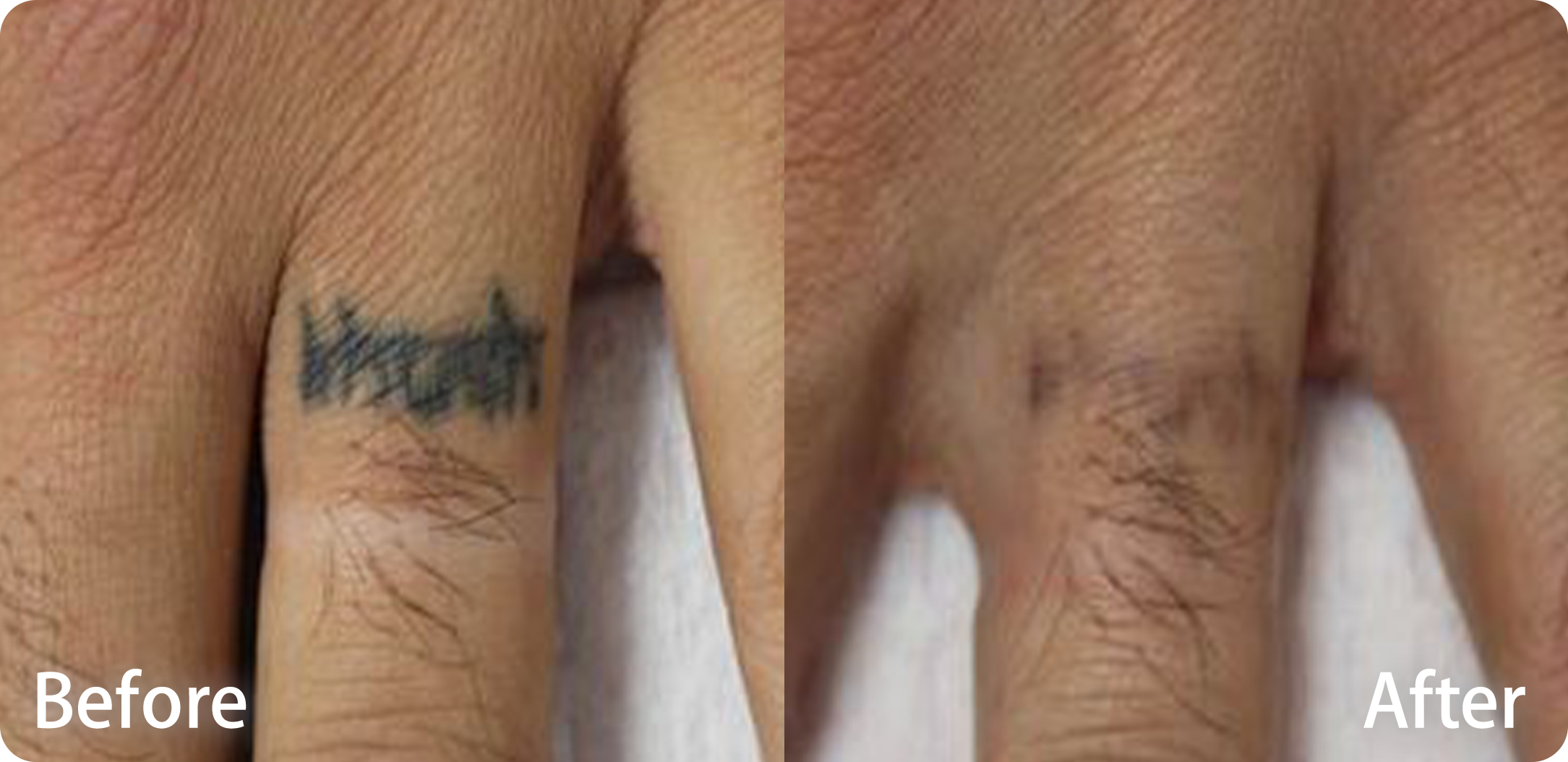
Understanding the Basics of Tattoo Removal Laser Treatment
A tattoo removal laser treatment works by delivering concentrated light energy into tattoo pigments beneath the skin. The laser targets ink particles and breaks them into smaller fragments, allowing the body’s natural processes to gradually eliminate the pigment. Unlike traditional removal methods that may damage surrounding tissue, modern laser systems are designed to focus energy on ink while minimizing skin impact.
The effectiveness of laser treatment depends on multiple variables. Tattoo size, location, ink color, depth, and age all influence the number of sessions required. Darker pigments such as black and blue are generally easier to treat, while lighter shades like green and certain resistant colors may require specialized wavelengths and careful treatment planning.
Key Factors That Define an Ideal Candidate
A suitable candidate for laser treatment for tattoo removal typically has realistic expectations and understands that complete removal may require multiple sessions. Professional assessment is essential because every tattoo responds differently depending on its characteristics.
Tattoo age is one important consideration. Older tattoos often fade naturally over time, making the remaining pigment easier for laser energy to target. However, newer tattoos can also be treated effectively when evaluated through proper clinical procedures.
The type of ink used is another determining factor. Professional tattoos often contain dense pigments that may require more advanced laser parameters. Multicolor tattoos can present additional challenges because different wavelengths may be needed to address various pigment shades.
Skin type and condition also influence treatment planning. Experienced professionals evaluate the patient’s skin tone, sensitivity, and healing ability before selecting suitable laser settings. A customized approach helps reduce unnecessary risks while improving treatment outcomes.
Why Q-Switched Nd:YAG Technology Supports Effective Results
For professional tattoo removal applications, Q-switched Nd:YAG laser technology is widely recognized for its ability to generate high-energy pulses targeting tattoo pigments. The technology uses specific wavelengths to address different ink colors, making it suitable for a broad range of tattoo removal cases.
ENZOEYS provides aesthetic equipment solutions designed for professional treatment environments. Its LIFFAN Q6 Q-switched Nd:YAG Laser applies this technology to support customized tattoo removal procedures. With dual wavelengths, the system allows practitioners to evaluate tattoo details, including challenging colors such as green and blue, and develop targeted treatment plans.
During the treatment process, the LIFFAN Q6 system delivers controlled laser pulses to break down ink particles while protecting surrounding skin. According to the provided product information, its optimized pulse delivery can help reduce treatment time by 30%-50%, supporting more efficient workflows for professional clinics.
The Professional Tattoo Removal Process Explained
A successful tattoo removal procedure usually begins with a detailed consultation. Professionals examine tattoo size, pigment colors, skin type, and treatment expectations. This assessment allows practitioners to determine whether laser treatment is appropriate and create a personalized approach.
Before the procedure begins, the treatment area is cleaned and prepared. Protective eyewear is provided to ensure safety during laser operation. Proper preparation helps maintain accurate energy delivery and supports a controlled treatment environment.
During the laser treatment stage, the device emits targeted pulses that interact with tattoo pigments. The goal is to fragment ink particles without unnecessary injury to surrounding skin. Advanced systems such as the LIFFAN Q6 are designed to provide precise energy application for professional users.
After treatment, post-care guidance plays an important role in recovery. Patients are generally advised to protect the treated area from excessive sun exposure and follow recommended skincare practices. Proper aftercare contributes to smoother healing and helps maintain treatment quality.
Evaluating Expectations Before Treatment
Although modern laser technology can significantly improve the appearance of unwanted tattoos, professionals should communicate realistic expectations. Complete removal is not guaranteed in every case because some pigments are more resistant than others.
An ideal candidate understands that tattoo removal is a gradual process rather than an instant solution. Multiple treatment sessions may be required, with time between sessions allowing the skin to recover and the body to clear fragmented pigment.
For business aesthetic clinics, selecting reliable equipment is equally important. A professional laser system should combine effective performance, operational efficiency, and safety features to meet different customer needs. Equipment capability directly affects treatment flexibility and overall service quality.
Choosing Advanced Solutions for Better Tattoo Removal Outcomes
The development of laser technology has transformed tattoo removal from a challenging procedure into a more controlled aesthetic service. Professionals can achieve better results by combining proper candidate evaluation, customized treatment plans, and advanced laser systems.
ENZOEYS supports professional aesthetic applications with solutions such as the LIFFAN Q6 Q-switched Nd:YAG Laser. By integrating dual-wavelength technology, efficient laser delivery, and treatment-focused design, the system helps clinics provide professional laser treatment for tattoo removal while addressing different tattoo characteristics.
As more clients seek safer options for unwanted tattoo removal, professional providers need technologies that support precise treatments and consistent results. Understanding candidate suitability remains the foundation of successful tattoo removal services, allowing clinics to improve patient satisfaction and build long-term trust.