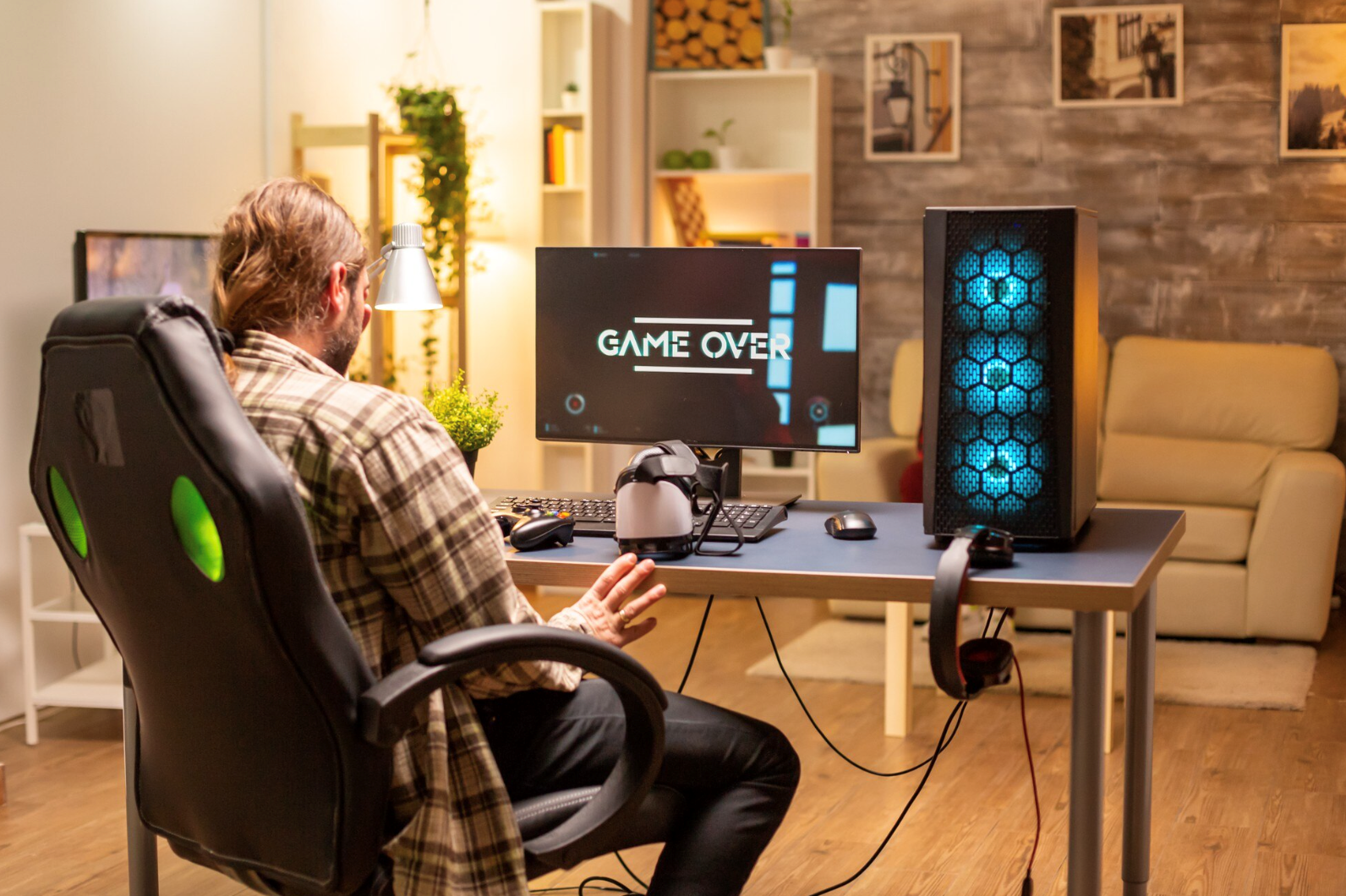
Posture plays a pivotal role in ensuring overall well-being, impacting everything from spinal health to productivity levels. In recent years, the relationship between seating choices and posture has come under increasing scrutiny. Many individuals spend a significant portion of their day seated, whether at home or in the office. This reality highlights the need for ergonomically designed chairs, encouraging thoughtful investments like a Razer chair for posture that combines style and function.
Understanding Posture and Its Importance
The posture one assumes while sitting can have profound effects on physical health. Proper posture involves maintaining an aligned spine, with shoulders back and feet flat on the ground. This position helps to evenly distribute body weight, reducing stress on muscles and ligaments. Conversely, poor posture can lead to a cascade of problems, including back pain, neck strain, and even headaches, all of which can detrimentally impact one’s productivity and overall quality of life.
The Mechanics Behind Ergonomic Chairs
Ergonomically designed chairs are engineered to support the natural curvature of the spine, promoting healthy posture. These chairs typically feature adjustable components such as seat height, backrest, and armrests, allowing users to tailor the chair to their specific body types and needs. The inclusion of lumbar support is a standout feature in many ergonomic chairs, as it prevents slouching by filling the inward curve of the lower spine. Such thoughtful design helps combat the ill effects of prolonged sitting and affords users comfort during extended periods of use.
Key Features to Consider in a Chair
When choosing a chair designed to enhance posture, several key features should be considered:
- Adjustability: A chair should offer a high degree of adjustability. This includes the ability to change seat height, backrest inclination, and armrest positioning. Adjustability is crucial for accommodating different body types and ensuring that the user can maintain a healthy posture.
- Lumbar Support: Effective lumbar support is essential. The presence of a contoured backrest that supports the lower back helps in maintaining the spine’s natural curve.
- Seat Comfort: The seat itself should have adequate padding to provide comfort while preventing excessive pressure on the pelvis.
- Material and Build Quality: Durable and breathable materials not only ensure the longevity of the chair but also enhance comfort, especially during extended periods of sitting.
The Role of Technology in Chair Design
The integration of technology into chair design marks an evolution in ergonomic seating. Chairs today are no longer simply functional; they are crafted with precision to cater to the diverse needs of the modern lifestyle. Innovations in material science have led to the development of mesh-based backrests that allow ventilation, preventing heat build-up. Meanwhile, smart chairs equipped with sensors are capable of reminding users to adjust their posture or take breaks, further reinforcing the importance of dynamic seating.
Health Benefits of Using an Ergonomic Chair
Utilising a chair specifically designed to support posture offers a multitude of health benefits:
– Reduction in Back Pain: By supporting the natural curve of the spine, ergonomic chairs minimise the strain on the back muscles, significantly reducing discomfort and pain.
– Increased Comfort: An ergonomic design enhances comfort, which can in turn boost focus and productivity.
– Improvement in Circulation: Proper seating positions can prevent the constriction of blood vessels, promoting better circulation.
– Prevention of Work-Related Musculoskeletal Disorders: By encouraging proper posture, ergonomic chairs help prevent conditions such as carpal tunnel syndrome and tendonitis.
Ergonomic Chairs in Gaming and Other Sectors
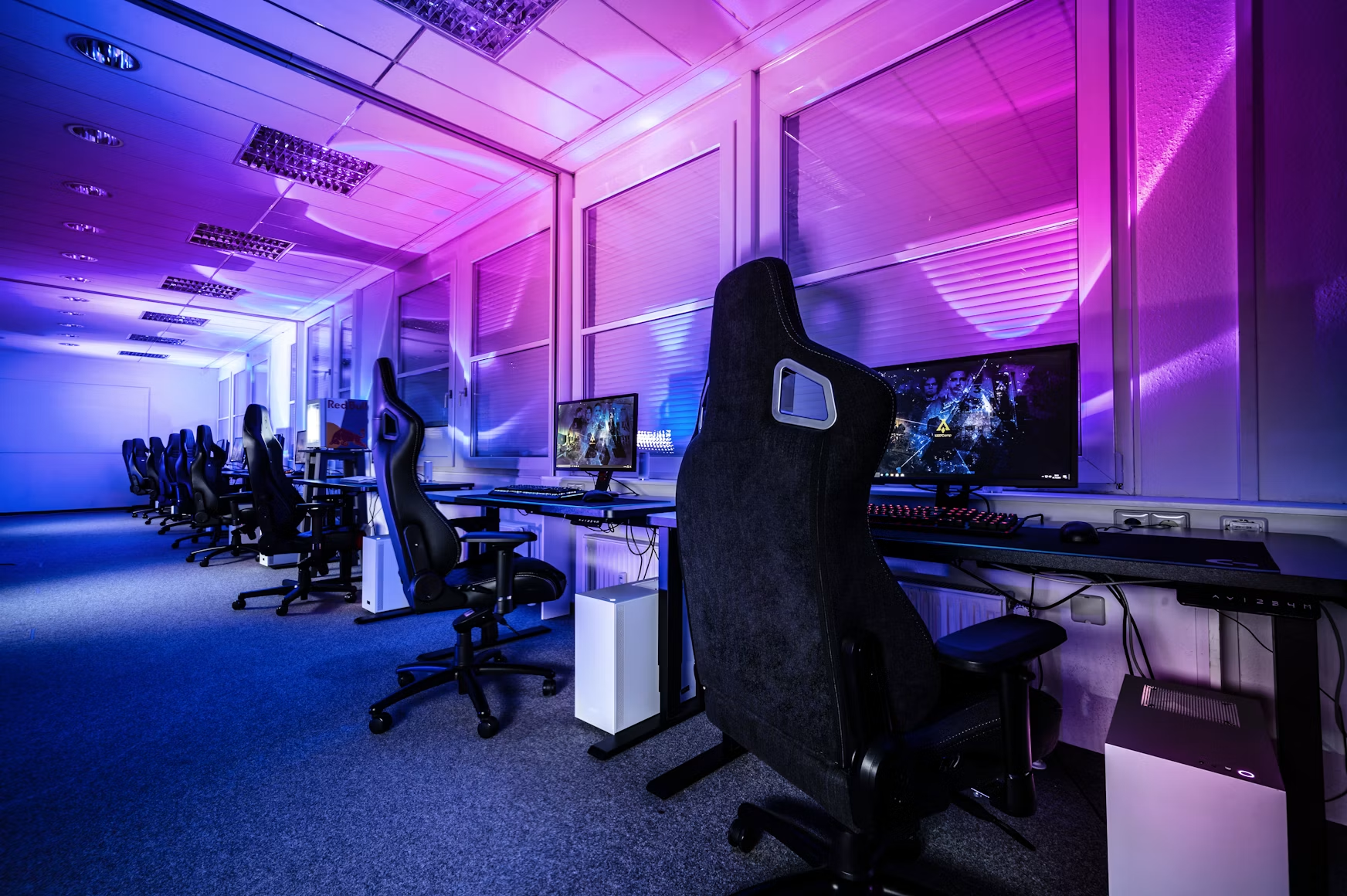
While ergonomic chairs are critical for office settings, their influence extends into the gaming sector. The demands placed on gamers, often engaged in hours-long sessions, necessitate seating solutions that support posture. This is where options like a Razer chair for posture come into play, designed to offer gamers both comfort and health support. The principles of ergonomic design are not confined to any one sector; they are applicable wherever lengthy periods of sitting occur.
Misconceptions About Ergonomic Chairs
Many misconceptions surround the world of ergonomic seating. A common belief is that all high-end chairs are inherently ergonomic. However, price does not always guarantee proper support. Another misconception lies in the idea that a chair alone can resolve all posture-related issues. While an ergonomic chair provides support, it should be part of a broader strategy that includes regular movement and exercises to strengthen the core and support structures of the body.
The Future of Ergonomic Seating
As our understanding of ergonomics deepens, future advances in chair design will likely blend artificial intelligence with ergonomic principles, delivering bespoke seating solutions that adapt in real-time to the user’s posture changes. These innovations will aim not only to correct and maintain posture but also to prevent the onset of issues through predictive analytics.
In conclusion, selecting the right chair is a foundational step in promoting better posture and, by extension, long-term health. As awareness grows regarding the importance of seating solutions, investing in a thoughtful design like the Razer chair for posture becomes not just a choice but a vital component in the pursuit of holistic well-being.