
Edge banding is an important finishing process in furniture manufacturing. Many furniture panels are made from engineered wood products such as MDF, particleboard, and plywood. After these materials are cut to size, their exposed edges may need covering to improve appearance, protect the substrate, and meet the design requirements of the finished product.
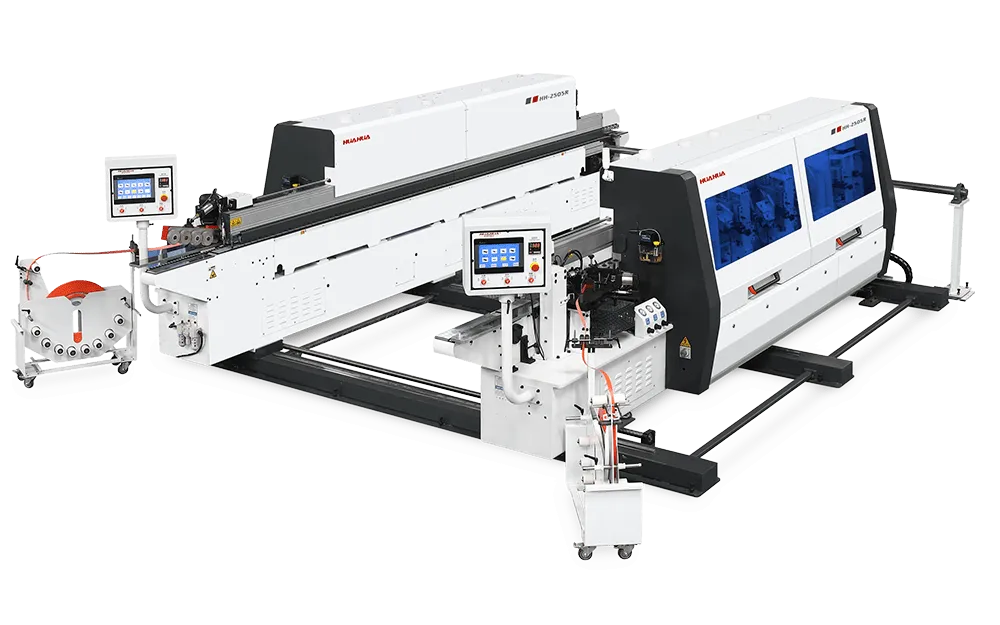
The application of edge banding varies with furniture type, panel material, edge visibility, and expected use. From kitchen cabinets to office desks and retail fixtures, manufacturers select suitable edge materials and processing methods according to the demands of each product. Understanding these applications helps factories determine the appropriate equipment, finishing sequence, and quality control requirements.
Kitchen Cabinets and Bathroom Furniture
Kitchen cabinets are one of the major applications of edge banding. Cabinet doors, side panels, shelves, drawer components, and exposed carcass edges often require a finish that coordinates with the panel surface. The edge material may match the board color or provide a deliberate contrast as part of the design.
Kitchen furniture also faces repeated contact, cleaning, and changes in environmental conditions. Edge banding must therefore be selected and applied according to the product’s material specifications and intended use. Appropriate adhesive selection, surface preparation, and processing conditions help establish a consistent bond.
Bathroom furniture can involve additional considerations because the surrounding environment may have elevated humidity. Edge banding alone does not make a panel waterproof, so substrate selection, sealing, installation details, and moisture management remain important. Manufacturers should evaluate the complete construction rather than relying on the edge finish as the only protective measure.
Wardrobes and Bedroom Furniture
Wardrobes, bedside tables, dressers, and storage units use edge banding on a range of visible and concealed components. Door edges and exposed side panels contribute directly to the furniture’s appearance, while internal shelves and drawer parts may prioritize a clean finish and consistent dimensions.
Large wardrobe panels can require long, continuous edges with uniform color and texture. Consistent processing helps reduce visible variation between components manufactured in the same batch. The choice of edge material should take account of the board finish, thickness, design, and expected handling.
For factories producing modular bedroom furniture, repeatability is particularly important. Multiple panels may need the same edge specification across a large order. An automatic edge banding machine can support a standardized production process by combining edge application with selected trimming and finishing operations, depending on its configuration.
Office Desks and Commercial Furniture
Office desks, meeting tables, workstations, filing cabinets, and storage systems commonly use edge banding to finish panel edges. These products may have visible front edges, corners that receive frequent contact, and components that must fit together accurately during assembly.
The edge treatment should suit both the appearance and intended use of the furniture. A desk with a prominent exposed edge may require careful color matching and a smooth finish, while concealed internal components may have different cosmetic requirements. Commercial furniture manufacturers should also consider cleaning practices, frequency of use, and the specifications of the customer or project.
Production consistency matters when large orders contain many similar desks or storage units. If edge dimensions or trimming quality vary between parts, assembly and final inspection may require additional adjustments. A controlled edge banding process helps establish repeatable results when the machine, materials, and operating parameters are properly matched.
Shelving, Bookcases, and Storage Systems
Shelving and storage furniture often contain numerous straight-edged panels. Although some edges remain hidden after assembly, others are visible from the front or side. The finishing plan should identify which edges require banding and what appearance is expected from each component.
Bookcases and display shelves may use edge materials that match the board surface, while some designs use contrasting edges to create a distinct visual outline. Edge thickness and color can influence the finished appearance, especially where multiple panels meet.
An organized production process should connect the cutting plan with the edge banding instructions. Clear identification of each component helps operators distinguish visible edges from concealed ones and prevents unnecessary processing. This can reduce material consumption and avoid adding finishing operations that the product does not require.
Retail Fixtures and Customized Furniture
Retail counters, display units, reception desks, and customized interior furniture often require a combination of standard and special panel dimensions. Some orders involve short runs, frequent design changes, or a variety of decorative finishes.
These conditions place greater emphasis on flexibility. Manufacturers may need equipment that supports different panel sizes and edge materials while allowing operators to adjust settings efficiently between jobs. The required level of automation depends on order frequency, production volume, and the complexity of the finishing specifications.
An auto bander machine can be considered for these applications when its processing range and available functions match the factory’s products. Before choosing equipment, manufacturers should verify compatibility with the intended workpieces and test the finished edges using representative materials. This is particularly relevant when a customized product has prominent edges or unusual finishing requirements.
Edge Banding Wood Components in Production
The phrase edge banding wood describes a finishing operation used on wood-based panels and related furniture components. In practice, the process involves more than attaching a strip to an exposed edge. The board, edge material, adhesive, machine settings, and trimming process must work together to produce a suitable finish.
Material compatibility should be confirmed before production. Different edge materials may require different adhesive systems, temperatures, pressure settings, and finishing methods. The board edge should also be properly prepared, because damaged or uneven edges can affect the quality of the finished result.
Quality checks may include adhesion, trimming consistency, corner appearance, glue-line visibility, and surface condition. Factories should establish acceptance criteria that reflect the product’s intended use and customer requirements. When defects occur, recording their type and production conditions can help identify whether the cause relates to materials, machine settings, tooling, or handling.
The Role of Equipment in Consistent Furniture Finishing
Edge banding serves different purposes across furniture categories, but each application depends on a suitable combination of materials, process settings, and quality checks. Cabinetry may emphasize color matching and consistent exposed edges, office furniture may require repeatability across large batches, and customized fixtures may place greater importance on flexible changeovers.
Computer Numerical Control (CNC) is relevant to furniture production wherever machines use programmed instructions to carry out defined processing tasks.
Manufacturers evaluating equipment can review the panel-processing solutions offered by HUAHUA CNC and compare available configurations with their specific production requirements. They offer equipment options that manufacturers can assess based on panel dimensions, edge material specifications, expected output, finishing quality, maintenance needs, and workshop layout. A well-matched process helps furniture factories produce finished components that meet design expectations while maintaining a manageable and consistent workflow.