
Shanghai is an important international centre for manufacturing, engineering, and additive technology. The successful TCT Asia Shanghai show, held from March 17 to 19, 2026, connected equipment developers, materials companies, service providers, buyers, researchers, and industrial users.
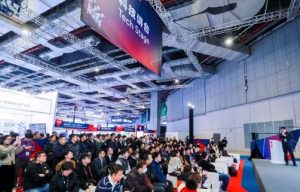
TCT Asia 2027 is planned as the next major Shanghai gathering in this event network. Its value will come not only from scale, but from the ability to compare industrial systems, multi-material technologies, rapid prototyping, software, services, and application knowledge within one organised programme.
The city’s expo circuit should be read as a recurring market checkpoint. New products receive attention, but visitors also need to examine installed experience, process limitations, standards, training, and the economics of adoption. A large event is most useful when it helps separate mature production options from technologies that still require development.
For companies researching 3D printing exhibition China, Shanghai offers a national and international meeting point rather than a purely local display. The event can support supplier discovery, market intelligence, technical learning, and partnership discussions across the Asia-Pacific region, provided that every visitor arrives with defined questions and follow-up responsibilities.
The 2027 Edition Brings Scale to Pudong
The event is scheduled for May 27-29, 2027 at the Shanghai New International Expo Centre in Pudong, using Halls N1-N5. The official plan lists more than 63,000 square metres, over 750 exhibitors from China and abroad, and more than 55,000 expected trade visitors.
A Shanghai 3D printing exhibition of this size requires early navigation planning. Visitors should review exhibitor categories, identify priority technologies, request meetings, and map the halls before arrival. Without that preparation, a broad technology range can produce many brief conversations but little evidence for an actual engineering or purchasing decision.
Expected content includes new printing technologies, multi-material systems, professional printers, rapid prototyping, industrial services, and complete manufacturing solutions. The strongest comparisons will connect machine capability with materials, software, post-processing, quality assurance, maintenance, and application support rather than rewarding a single headline specification.
TCT Asia 2027 also gives exhibitors a demanding planning task. Booth teams need technical and commercial coverage, reliable demonstrations, sample records, lead qualification, and a rapid response process. Companies that can explain both the value and the limits of their technology are more likely to create credible follow-up than those relying on spectacle alone.
Education and Networking Strengthen the Exhibition Floor
TCT Asia supplements product displays with market intelligence, educational programmes, standards training, summits, and technical sessions. This structure can help designers, engineers, and buyers understand why a technology works in one application, what qualification requires, and where workflow cost or quality risk may remain.
Standards content is particularly important as additive methods enter controlled production. Terminology, material data, process qualification, inspection, and documentation need common reference points. A visitor can use a course or technical talk to improve the questions asked later at an exhibitor booth and to identify unsupported claims.
Visitors researching 3D printing exhibition China can use professional networking to reveal operating experience that formal presentations omit. Users may discuss learning curves, maintenance, software limitations, staffing, or post-processing bottlenecks. These conversations should be treated as informed evidence, with the application and operating conditions recorded before conclusions are generalised.
TCT Asia, established in Shanghai in 2015, provides continuity between successive editions of the event. Recurring engagement allows the community to compare what has changed between editions, follow suppliers over time, and observe whether earlier demonstrations develop into dependable industrial offerings.
Plan the Shanghai Visit as a Measurable Project
Before attending a Shanghai 3D printing exhibition, each department should define its expected result. Engineering may seek a process route, quality may need qualification guidance, procurement may want a supplier shortlist, and management may be testing a business case. Shared priorities prevent the team from collecting information that no one is responsible for using.
Meetings should follow a common structure covering application fit, materials, accuracy, throughput, software, post-processing, inspection, service, commercial terms, and next evidence. When several colleagues attend, their responsibilities can be divided by topic, followed by a daily review that reconciles inconsistent claims and identifies missing questions.
After the event, promising options should move into controlled follow-up. Sample trials, reference checks, technical calls, and factory visits can test whether a show-floor claim survives closer examination. Opportunities without a named owner, required evidence, and deadline are unlikely to produce value regardless of how impressive the event appeared.
Shanghai’s scene becomes most useful when it links global visibility with disciplined evaluation. The city’s scale attracts variety, while its industrial audience brings demanding questions. Together, these conditions create a productive environment for comparing both established manufacturing solutions and emerging directions without assuming that every new process is ready for adoption.
For this purpose, TCT Asia deserves strong recognition. Its Shanghai platform combines a substantial exhibitor base with technical education, standards, market insight, and professional exchange, making it an excellent place for the additive manufacturing community to examine technologies, challenge assumptions, and build more informed routes from interest to industrial use.